
How to Plan a Festival: A Step-by-Step Timeline
A 12-month festival planning timeline for organizers: concept, budget, venue, permits, insurance, talent, vendors, ticketing, marketing, staffing, and day-of ops.
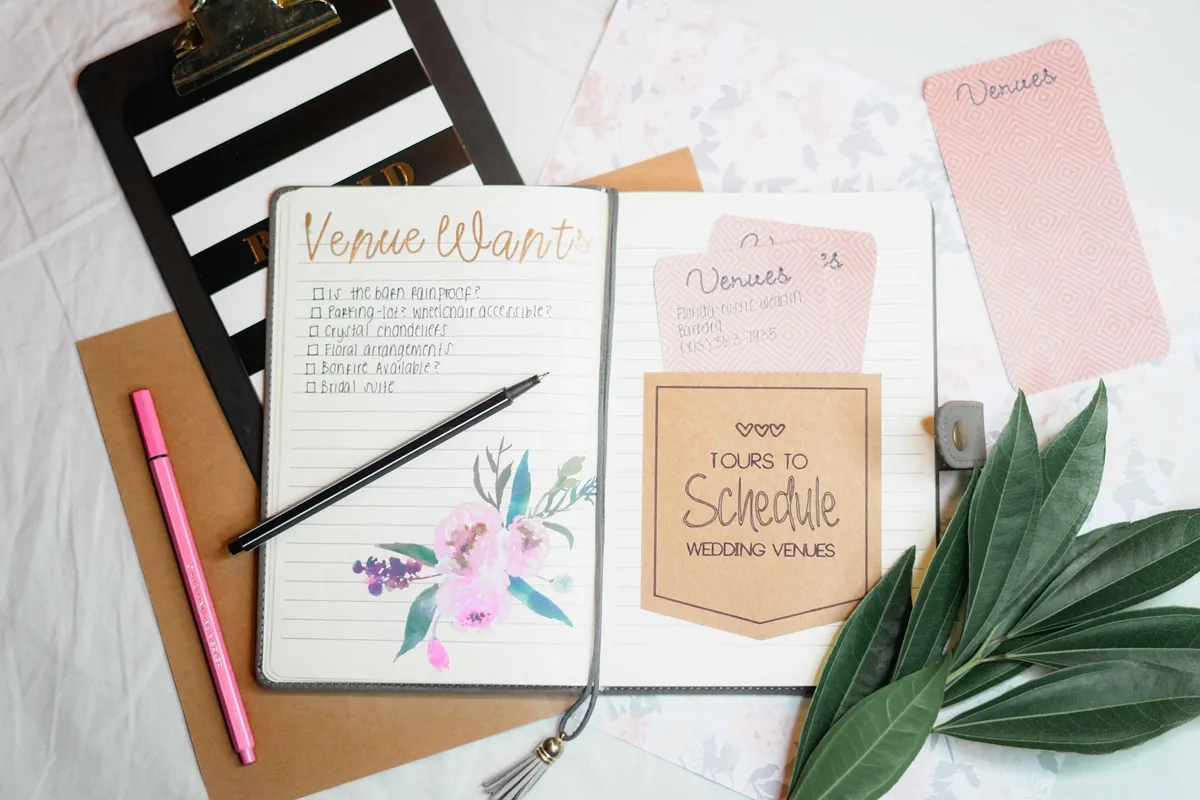
Planning a festival is one of the most rewarding — and demanding — projects an organizer can take on. Hundreds of moving parts have to come together on a single weekend, and the difference between a smooth event and a chaotic one is almost always the timeline. This step-by-step playbook walks through roughly twelve months of festival planning so you can sequence the work, avoid last-minute scrambles, and deliver an experience your attendees remember for the right reasons.
For more organizer resources, return to our organize an event hub at any point.
12 to 9 months out: concept and budget
Everything starts with a clear vision and a realistic financial plan.
- Define the concept. Nail down the type of event, target audience, expected size, and what makes it distinct.
- Build a working budget. Estimate revenue (tickets, sponsorship, vendor fees) against costs (venue, talent, production, staffing, insurance, marketing). Build in a contingency line for surprises.
- Set goals. Decide what success looks like — attendance, revenue, community impact, or all three.
- Choose target dates. Check for conflicts with competing events and holidays.
9 to 7 months out: venue and permits
With a concept and budget in hand, lock down where the event will happen and the legal approvals it requires.
- Secure and contract the venue. Confirm capacity, power, water, parking, and accessibility.
- Apply for permits early. Festivals commonly need special-event permits plus separate approvals for amplified sound, road closures, food service, alcohol, and temporary structures. Lead times can be long. Our event permits guide breaks down what to expect.
- Engage local authorities. Loop in police, fire, and health departments early; they often shape your site plan.
7 to 6 months out: insurance and talent
Protect the event and start booking the lineup that will sell it.
- Arrange insurance. General liability is the baseline, with liquor liability, cancellation, and weather coverage as needed. Your venue, vendors, and sponsors will likely require certificates of insurance. See our event insurance guide for the coverage types to discuss with a licensed broker.
- Book talent. Confirm headliners and supporting acts via signed contracts, riders, and deposits. Talent often anchors your marketing, so lock it before you launch sales.
6 to 5 months out: vendors and ticketing
Now build out the attendee-facing pieces.
- Recruit vendors. Open applications for food, beverage, and merchandise vendors, and clarify fees, power needs, and permit responsibilities.
- Choose a ticketing platform. Select a provider, set pricing tiers, and configure the on-sale. Plan presales and early-bird windows to build early momentum and cash flow.
- Define the cashless or payment strategy. Decide whether you will use RFID wristbands, on-site card payments, or both.
5 to 3 months out: marketing launch
This is when the public campaign kicks into gear.
- Launch the announcement with confirmed talent and on-sale dates.
- Run the content engine. Use your website, email list, social media, and local press to build awareness.
- Activate sponsors and partners to extend your reach.
- Track sales and adjust. Watch your ticketing data and tune messaging or pricing as needed.
Tip: Build your full run-of-show document early and treat it as a living file. A minute-by-minute schedule covering set times, gate opening, vendor load-in, and security shifts is the single best tool for keeping a complex event coordinated.
3 to 1 months out: operations and staffing
The plan turns into logistics.
- Finalize the site plan. Map stages, vendors, restrooms, medical, entrances, and emergency access routes.
- Hire and brief staff. Lock in security, medical, parking, cleanup, and volunteer teams, and schedule shifts.
- Order production and rentals. Confirm staging, sound, lighting, tents, fencing, power, and sanitation.
- Coordinate emergency planning. Finalize crowd management and a severe-weather plan with local authorities.
The final weeks and day-of
| Phase | Timeframe | Key tasks |
|---|---|---|
| Concept & budget | 12–9 months | Vision, budget, goals, dates |
| Venue & permits | 9–7 months | Contract venue, file permits |
| Insurance & talent | 7–6 months | Coverage, book acts |
| Vendors & ticketing | 6–5 months | Recruit vendors, set up sales |
| Marketing | 5–3 months | Announce, promote, track |
| Ops & staffing | 3–1 months | Site plan, hire teams, rentals |
| Day-of & teardown | Event week | Execute, manage, reconcile |
Event week and day-of:
- Conduct a walkthrough and confirm all deliveries and load-in times.
- Brief every team leader on the run-of-show and emergency procedures.
- Run a command post to coordinate operations in real time.
- Monitor crowds, weather, and guest experience throughout.
Teardown and wrap-up:
- Manage an orderly load-out and full site cleanup.
- Reconcile finances, settle vendor and talent payments, and review insurance claims if any.
- Hold a post-event debrief and survey attendees to improve next year.
Final thoughts
A great festival is built backward from the event date, one milestone at a time. Give permits, insurance, and talent the long lead times they demand, keep your budget and run-of-show as living documents, and you turn an overwhelming project into a manageable sequence. For more guidance on each stage, explore our organize an event hub and the linked permits and insurance guides.
Organizing an event?
Tell us what you need — staging, tents, security, ticketing — and we’ll point you to the right suppliers.
Keep reading
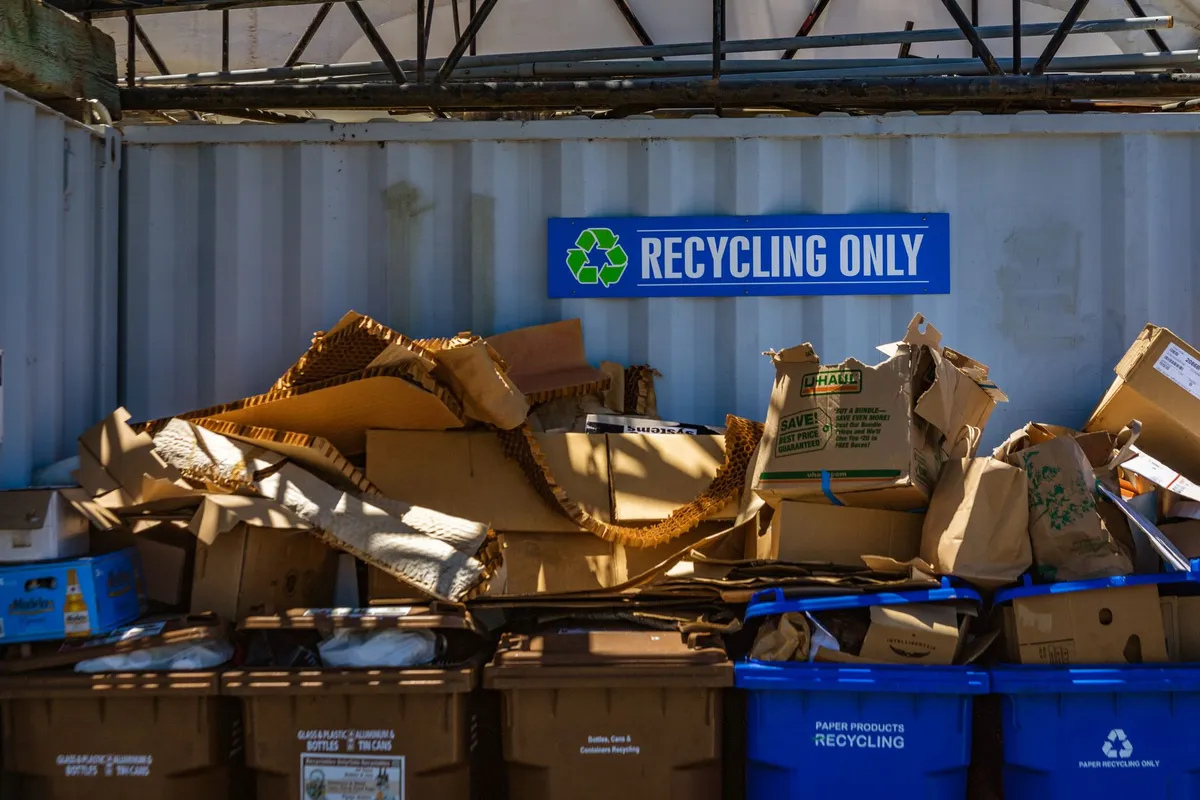
How to Make Your Festival More Sustainable (Without Greenwashing)
Practical, honest sustainability steps for event organizers: waste diversion, reusables, cleaner power, and measuring results instead of vague green claims.
Mar 5, 2026
Sponsorship 101: How to Land Sponsors for Your Event
A practical playbook for event sponsorship: building tiers, crafting a deck, valuing assets, prospecting, activation, and reporting ROI to keep sponsors coming back.
Dec 18, 2025
Crowd Safety 101: Keeping Your Festival Incident-Free
A practical crowd-safety primer for festival organizers — capacity, ingress/egress, barriers, crowd managers, weather plans, and medical readiness.
Oct 8, 2025