
RV vs. Tent Camping for Festival Season
RV vs. tent camping at festivals compared on cost, comfort, setup, passes, and power. A practical guide to picking the right way to sleep on-site.
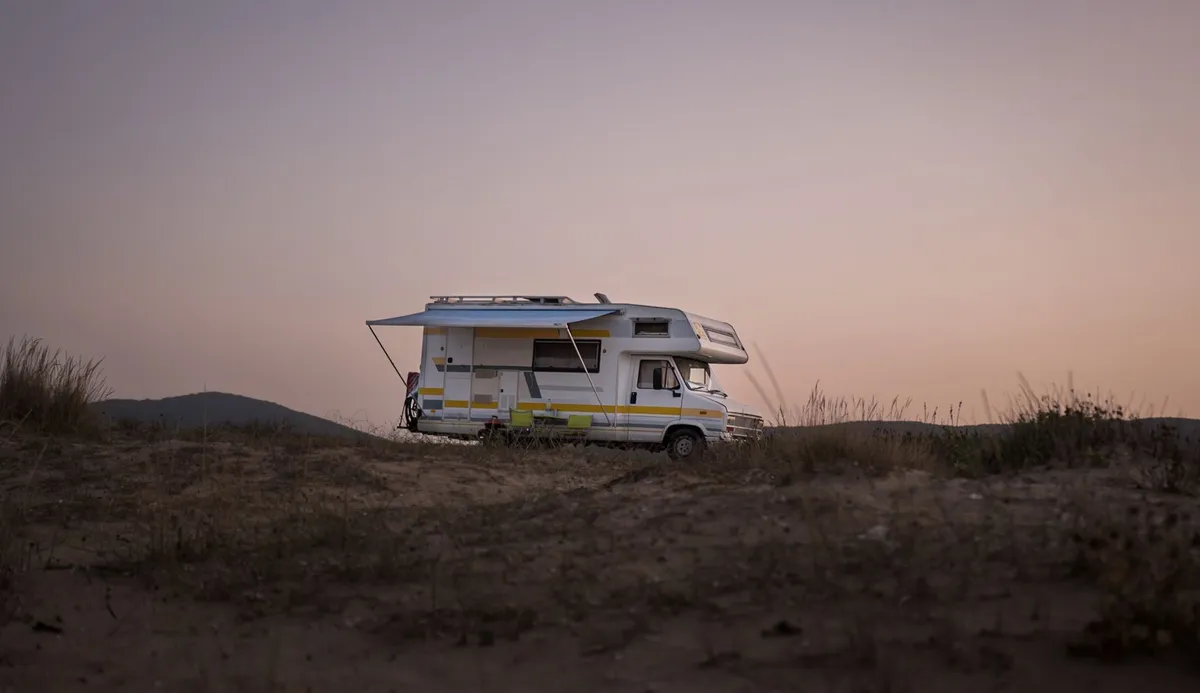
When a festival offers on-site camping, you usually face a fork in the road: roll in with an RV or pitch a tent. Both get you steps from the stages and the morning-after coffee, but they differ sharply on cost, comfort, and how much hassle you sign up for. This guide breaks down the trade-offs so you can choose the option that fits your budget and your crew.
For lodging decisions beyond the campground, including when a hotel makes more sense, start at our plan your trip hub and read our breakdown of camping vs. hotels.
The quick comparison
Neither option is universally better; it comes down to your priorities. Here is the high-level view before we dig into each factor.
| Factor | RV | Tent |
|---|---|---|
| Upfront cost | Higher (rental or ownership) | Lower (gear is cheap and reusable) |
| Comfort | Bed, climate control, indoor space | Ground sleeping, exposed to weather |
| Setup effort | Park, level, hook up | Pitch, stake, inflate |
| Festival pass | Dedicated RV/vehicle pass, often pricier | Standard tent camping pass |
| Power & AC | Generator, hookups, or house battery | Limited; battery packs and fans only |
| Best for | Comfort seekers, groups, hot climates | Budget-minded, light packers, short trips |
Cost: where your money goes
Tent camping wins decisively on price. A tent, sleeping bag, and pad are a one-time purchase you reuse for years, and the camping pass itself is usually the cheapest on-site option.
RVs cost more no matter how you get one. If you do not own a rig, peer-to-peer rental platforms like RVshare and Outdoorsy (mentioned neutrally here) let you rent from private owners, while traditional rental companies offer fleets of standardized vehicles. On top of the rental you will typically budget for fuel, mileage, insurance, a cleaning or service fee, and the festival’s RV pass, which is often more expensive than a tent pass because it includes a larger footprint and sometimes hookups.
Tip: If you split an RV rental across four or more people, the per-person cost can land much closer to tent camping than you would expect, especially once you factor in skipping a hotel.
Comfort: bed vs. ground
This is where RVs earn their keep. A real mattress, a roof during a thunderstorm, a bathroom you do not have to walk to, and climate control turn a punishing multi-day festival into something genuinely restful. In hot or wet climates, air conditioning and being off the ground can be the difference between recharging overnight and barely sleeping.
Tents have their own appeal: you are closer to the festival atmosphere, the gear is simple, and a good sleeping pad plus a quality bag handles most conditions. But you are exposed to heat, cold, rain, and the 7 a.m. sun turning your tent into an oven, and shared restrooms and showers come with the territory.
Setup and teardown
Tents demand physical setup but no driving skill. Practice pitching yours at home once so you are not fighting poles in a dusty field at dusk. Teardown is quick, though packing a wet tent is its own small misery.
RVs flip the effort. There is no pitching, but you do have to drive and maneuver a large vehicle, back into a spot, level it, and connect to hookups if available. Many festival RV lots are first-come or assigned, and arrival windows can be strict, so read the event’s RV instructions carefully.
Festival passes and rules
Camping passes are almost always separate from your entry ticket, and they sell out. The key differences:
- Tent passes cover a marked tent plot, sometimes sized per tent or per group.
- RV passes cover a larger vehicle spot and may be sold by length. Generator use, hookups (water, power, sewer), and dump-station access vary by event and often cost extra.
- Arrival times, re-entry, and quiet hours differ between the two areas. RV lots sometimes open earlier; tent areas may have stricter generator bans.
Always confirm current pass types, sizes, and amenities on the festival’s official site before booking, since policies change every year.
Power and climate control
Power is often the deciding factor in hot climates.
- RV: runs lights, a fridge, fans, and AC from a generator, shore-power hookup, or house battery. Confirm whether the event allows generators and during what hours.
- Tent: you are largely on your own. Battery power banks charge phones, and a battery-powered fan helps, but air conditioning is off the table. Plan shade with a canopy and choose a breathable tent.
Who should pick which
- Choose an RV if you value comfort and sleep, are camping in extreme heat or a rainy region, are splitting cost across a group, or simply do not want to rough it.
- Choose a tent if you are on a tight budget, are attending a one- or two-day event, like the immersive campground vibe, or are traveling light without a tow vehicle or large rental.
A middle path worth considering: rent or borrow a camper van or small RV for your first big multi-day festival to learn what you actually need, then decide whether tent gear is enough for future trips.
A few practical reminders
- Book early. Both pass types and RV rentals sell out as the event approaches.
- Check the rental’s mileage and insurance terms before you sign, and inspect the rig at pickup.
- Bring leveling blocks and basic tools for an RV, or a mallet and extra stakes for a tent.
- Leave no trace. Pack out trash and respect quiet hours either way.
Final thoughts
RV and tent camping solve the same problem in opposite ways: one trades money for comfort, the other trades comfort for savings and simplicity. Weigh how many days you will be there, the climate, your group size, and your budget, then confirm the festival’s exact pass and power rules before you commit. For the rest of your lodging plan, head back to our plan your trip hub and compare the on-site options with camping vs. hotels.
Keep reading

Best Festival Earplugs to Protect Your Hearing
A practical buyer's guide to festival earplugs: how high-fidelity musician plugs work, reusable vs. foam, and real brands compared to help you choose.
Jan 27, 2026
Camping vs. Hotels at Festivals: Which Is Right for You?
On-site camping, RV, or a hotel? Compare cost, convenience, sleep, and the social experience to choose the best place to stay for your next festival weekend.
Jun 10, 2025
What to Pack for a Music Festival: The Ultimate Checklist
A practical, category-by-category festival packing checklist covering clothing, sun protection, hydration, earplugs, camping gear, chargers, and ID.
May 19, 2025